
Signs Your Child May Be Struggling with Undiagnosed Vision Problems
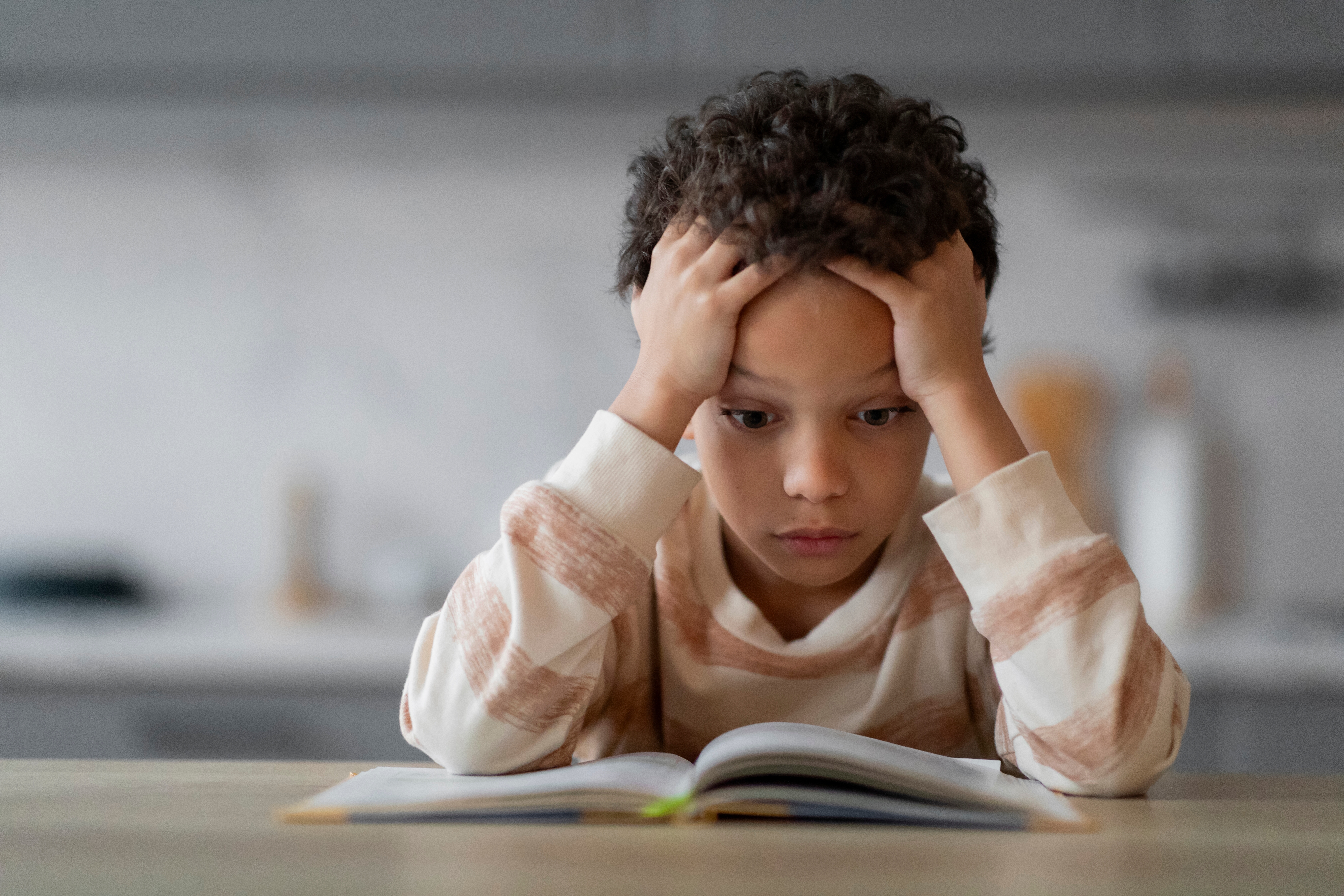
Children do not always know when their vision is off. Many assume the way they see is normal, even when they are struggling in the classroom, during sports, or while reading at home. Undiagnosed vision problems in children can affect learning, focus, coordination, and confidence, which is why early attention matters.
Common Eye Problems in Children
Several vision issues can affect children, and many are easy to miss without a proper eye exam. Refractive errors like nearsightedness, farsightedness, and astigmatism can make it harder for children to see clearly at school or during daily activities. Some children may also develop eye teaming or focusing problems, which can affect reading comfort and attention. Amblyopia, often called lazy eye, and strabismus, which causes the eyes to misalign, are also common concerns in childhood. When these problems are identified early, treatment can often help support clearer vision and healthier visual development.
Frequent Headaches and Eye Rubbing
If your child often complains of headaches after school or rubs their eyes throughout the day, vision strain may be part of the problem. When the eyes work harder than they should to focus, children can develop discomfort that shows up as fatigue, headaches, or frustration with near tasks like reading and homework.
Squinting or Sitting Too Close
Squinting at the board, sitting too close to the TV, or holding books very near the face can point to blurry distance or near vision. These habits are easy to overlook, but they may signal that your child is trying to compensate for a focusing issue that has not been diagnosed yet.
Trouble Reading and Short Attention Span
Some children with vision problems lose their place while reading, skip lines, or avoid books altogether. Others seem distracted during homework because the visual effort feels overwhelming. In some cases, what looks like a short attention span may actually be an untreated vision concern.
Changes In School Performance
A drop in grades or reduced interest in school can sometimes be linked to vision problems. If your child has trouble seeing the board, tracking words on a page, or staying comfortable during visual tasks, school may become more difficult than it should be. Clear vision supports both learning and daily confidence.
Help Your Child Thrive with Healthy Vision
Regular pediatric eye exams are important because children’s eyes can change as they grow, and vision problems do not always cause obvious symptoms right away. These exams allow us to monitor visual development, check for changes in prescription, and catch concerns early before they begin to affect learning, behavior, or daily activities. Staying consistent with pediatric eye exams helps support healthy vision as your child grows.
Contact Esther Ahn Optometry to schedule an eye exam for your child and make sure their vision is supporting learning, development, and everyday comfort. Visit our office in Cerritos, California, call (562) 809-4041, or use this link to book an appointment today.
Helpful Articles
article_category: products
article_category: psychiatry
article_category: faqs
article_category: cats
article_category: general
article_category: services
article_category: technology
article_category: dogs
article_category: restorative
article_category: vision therapy
article_category: contact lenses
article_category: health
article_category: conditions
article_category: eye surgery co-management
article_category: exotic
article_category: cosmetic
article_category: surgical procedures
article_category: aesthetics
article_category: preventative
article_category: ocular disease management
article_category: eyeglasses
article_category: eye health
article_category: large animal
[]
article_category: psychiatry
article_category: faqs
article_category: cats
article_category: general
article_category: services
article_category: technology
article_category: dogs
article_category: restorative
article_category: vision therapy
article_category: contact lenses
article_category: health
article_category: conditions
article_category: eye surgery co-management
article_category: exotic
article_category: cosmetic
article_category: surgical procedures
article_category: aesthetics
article_category: preventative
article_category: ocular disease management
article_category: eyeglasses
article_category: eye health
article_category: large animal
[]
Flowbite is an open-source library of interactive components built on top of Tailwind CSS including buttons, dropdowns, modals, navbars, and more.
Check out this guide to learn how to get started and start developing websites even faster with components on top of Tailwind CSS.

All Eyecare Services
We offer a wide variety of eye care services to the Cerritos community. Contact us with any questions about our services.

Keep In Touch
For non-urgent questions or to learn more about our services, contact us today!

Quick Links
Contact Info
- 11900 South Street, 121
Cerritos, CA 90703 - Phone: (562) 809-4041
- Fax: (562) 372-8970
Hours of Operation
- Monday 9:30am - 5:30pm
- Tuesday Closed
- Wednesday 9:30am - 5:30pm
- Thursday 9:30am - 5:30pm
- Friday 9:30am - 5:30pm
- Saturday 8:30am - 2:30pm
- Sunday Closed
- Monday
- Tuesday
- Wednesday
- Thursday
- Friday
- Saturday
- Sunday
- Monday
- Tuesday
- Wednesday
- Thursday
- Friday
- Saturday
- Sunday
© 2026 Esther Ahn Optometry . All rights Reserved - Accessibility Statement - Privacy Policy - Sitemap
Managed and Designed by 